
A crash happens in seconds, but the aftermath can drag on for months. Most drivers focus on swapping insurance cards and waiting for the police, while crucial details slip away. The problem is that those missing details often decide who gets blamed and how much compensation is paid.
Every scene tells a story, and even the smallest details can alter how that story is written. Skid marks, broken belongings, or the angle of a stoplight may carry more weight than a driver’s memory. Without proof, the other side has room to twist the facts.
An auto accident attorney in Richmond, VA, knows how fast evidence can vanish. The Johnson Injury Firm has seen too many cases weakened because key details weren’t documented right away. Careful attention in the first few minutes after a crash can protect your rights long after the cars are cleared.
Here are the things most people forget to document at the scene of a crash.
Key Takeaways
- Most crash victims forget to capture the small details that can make or break a case.
- Photos of skid marks, car placement, and hidden damage often carry more weight than driver statements.
- Hazards on the road, if documented quickly, can shift fault and change the outcome of a claim.
Vehicle Placement Before Impact
Most drivers only snap photos after the cars have been moved, which means they lose key evidence, capturing how vehicles sat in the road before impact shows fault in ways words can’t.
Direction of Travel
Photos that show the direction each vehicle was headed help clarify who entered the intersection first. Tire angles, lane position, and flashing turn signals can indicate the actions each driver took. This evidence gives investigators context they can’t get from damage alone.
Roadway Positioning
The exact lane placement tells more than many realize. A car straddling two lanes or stopped past the crosswalk may indicate distraction or aggressive driving. These details strengthen your case when your accident lawyer in Richmond, Virginia, needs to prove liability.
Relationship to Traffic Controls
The position of cars in relation to stop signs or lights provides critical evidence. A vehicle sitting beyond the stop line can suggest a failure to yield. Documenting this link between placement and traffic controls can make the difference in how responsibility is assigned.
Skid Marks And Stopping Distance
Skid marks act like a timeline of the crash, showing when the brakes were hit and how forcefully. A short set of marks may point to late braking, while longer ones can reveal that a driver was going too fast to stop safely. Capturing these patterns with clear photos helps keep facts from being twisted later.
The direction of skid marks also shows whether a driver swerved or stayed straight before impact. Measuring their length against the posted speed limit provides evidence of reckless driving. This type of detail often carries more weight in a case than witness memories.
Damage Beyond The Obvious
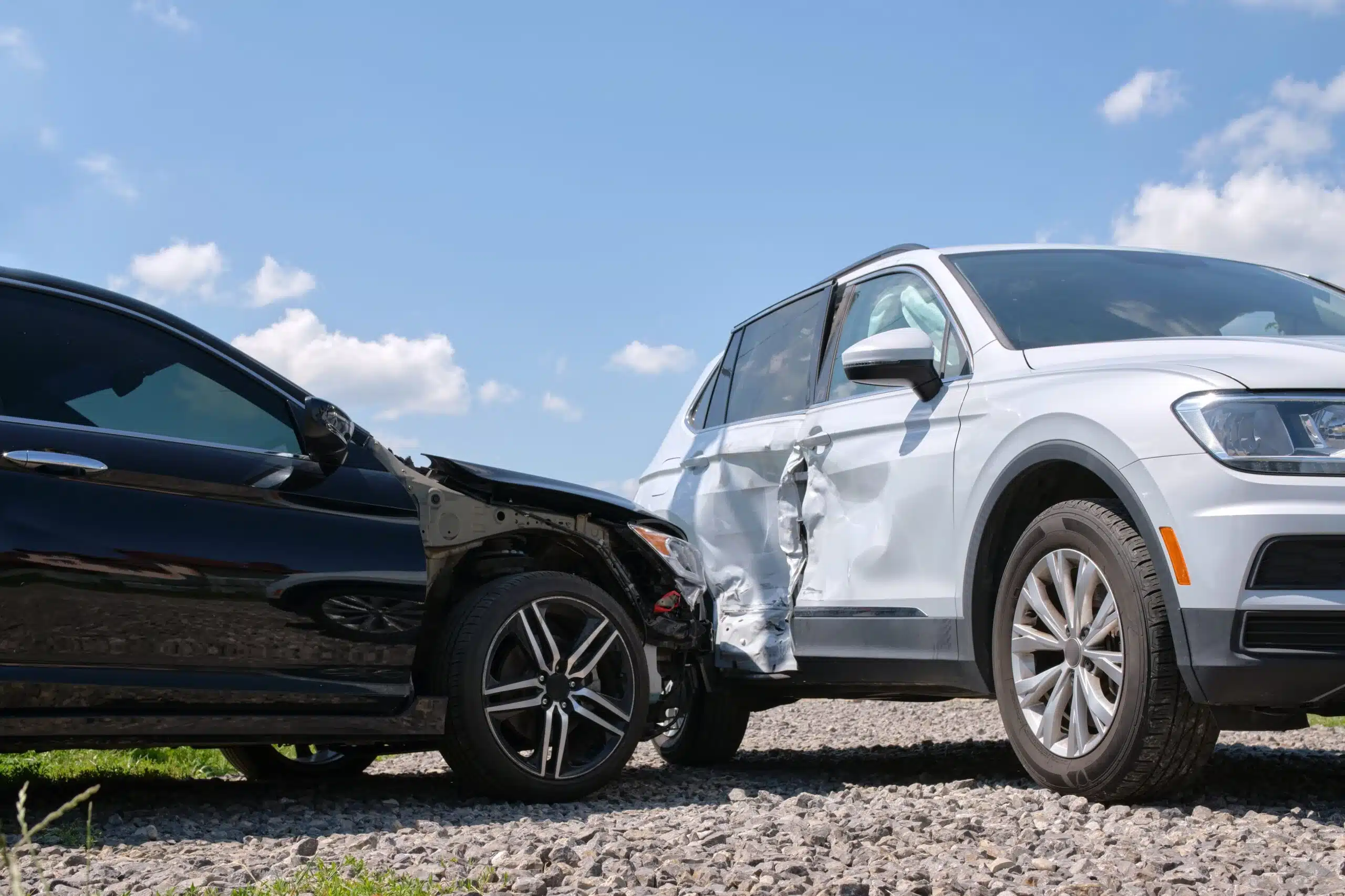
A single photo of a dented bumper misses the complete picture of a crash. Scratches on the frame, cracked headlights, or warped rims reveal the strength of the hit in ways wide shots cannot. These hidden details often hold the proof needed when responsibility is questioned.
Inside the car, overlooked damage can be just as significant as what shows on the outside. A broken seat track, collapsed steering column, or torn airbag marks the level of force passengers faced. With this evidence, a car wreck lawyer in Richmond has more substantial grounds to protect your claim.
Road Hazards That Contributed
Hazards on the road often decide who carries the blame in a crash. A driver may appear careless when the real issue is something beyond their control. Without fast documentation, those conditions vanish and leave you without proof.
Here are key hazards worth capturing at the scene:
- Potholes and Broken Pavement – A deep hole in the roadway can cause a car to swerve or lose control, shifting fault away from the driver. Photographing the size and placement of the damage shows whether the hazard directly contributed to the crash.
- Loose Gravel or Debris – Small stones, sand, or scattered parts make it hard for tires to grip. Images of these hazards can prove that a driver reacted reasonably but was put in danger by unsafe road conditions.
- Poorly Marked Construction Zones – Missing cones or signs can confuse drivers and create sudden obstacles. Showing how the site looked at the time of the crash gives context that might not exist later.
Strong evidence of hazards helps protect your case and ensures the blame is placed where it belongs.
Make Getting Compensation Easier With the Right Documentation
The details you capture in those first chaotic moments can shape the entire outcome of your claim. Johnson Injury Firm reminds drivers that photos, notes, and witness details are more than busywork: they are your shield against unfair blame. Staying alert after a crash can mean the difference between a weak case and the justice you deserve.
Frequently Asked Questions
What details should I document right after a car crash?
Take photos of vehicle placement, skid marks, road hazards, and close-up damage before anything is moved. These details often carry more weight in proving fault than driver statements.
Why do skid marks matter in proving fault after an accident?
Skid marks show when brakes were hit, how hard they were applied, and if the driver swerved. Measuring them against speed limits helps prove reckless or late braking.
How do road hazards affect liability in a car accident?
Potholes, loose gravel, and poorly marked construction zones can shift responsibility away from drivers. Documenting these hazards quickly ensures they are not dismissed or forgotten later.