
Proving fault in a Richmond car accident requires showing that another driver acted negligently and caused the crash. Evidence such as police reports, traffic camera footage, witness statements, photographs, and medical records is commonly used to establish liability.
Virginia follows a strict contributory negligence rule, meaning that if an injured driver is even slightly responsible for the crash, they may be barred from recovering compensation. Because of this strict legal standard, working with a car accident lawyer in Richmond can help ensure evidence is properly collected and presented to support your claim.
Understanding Fault in Virginia Car Accidents
Determining fault is one of the most important parts of any car accident claim. Fault determines which party is legally responsible for damages such as medical bills, lost wages, vehicle repairs, and pain and suffering.
In Richmond and throughout Virginia, proving fault means demonstrating that another driver was negligent. Negligence occurs when someone fails to act with reasonable care while operating a vehicle.
Common examples of negligent driving include:
- Speeding
- Running red lights or stop signs
- Distracted driving
- Driving under the influence
- Failing to yield the right-of-way
- Following too closely
An experienced Richmond, VA auto accident attorney often investigates whether a driver violated traffic laws or behaved recklessly before the crash.
Virginia’s Contributory Negligence Rule
Virginia follows one of the strictest legal standards in the country when it comes to fault in car accident cases. The state uses a contributory negligence system.
Under this rule, if an injured person is found even slightly responsible for the accident, they may be unable to recover compensation.
Example of Contributory Negligence
| Scenario | Legal Outcome |
| Driver A is 0% at fault | Eligible to recover damages |
| Driver A is 1% at fault | May be barred from compensation |
Because of this rule, insurance companies often try to argue that the injured driver contributed to the accident in some way.
A car accident lawyer in Richmond may work to counter these arguments by gathering strong evidence and demonstrating that the other driver was entirely responsible.
Evidence Used to Prove Fault
Proving fault requires a detailed review of the accident. Several types of evidence can help reconstruct what happened and identify the responsible party.
Police Reports
Police reports are often one of the most important pieces of evidence in a car accident case. When officers respond to a crash scene, they typically document:
- Driver statements
- Witness accounts
- Road and weather conditions
- Traffic violations
- Initial determination of fault
Although police reports are not always definitive proof, they can carry significant weight during insurance negotiations.
Photographs and Video Footage
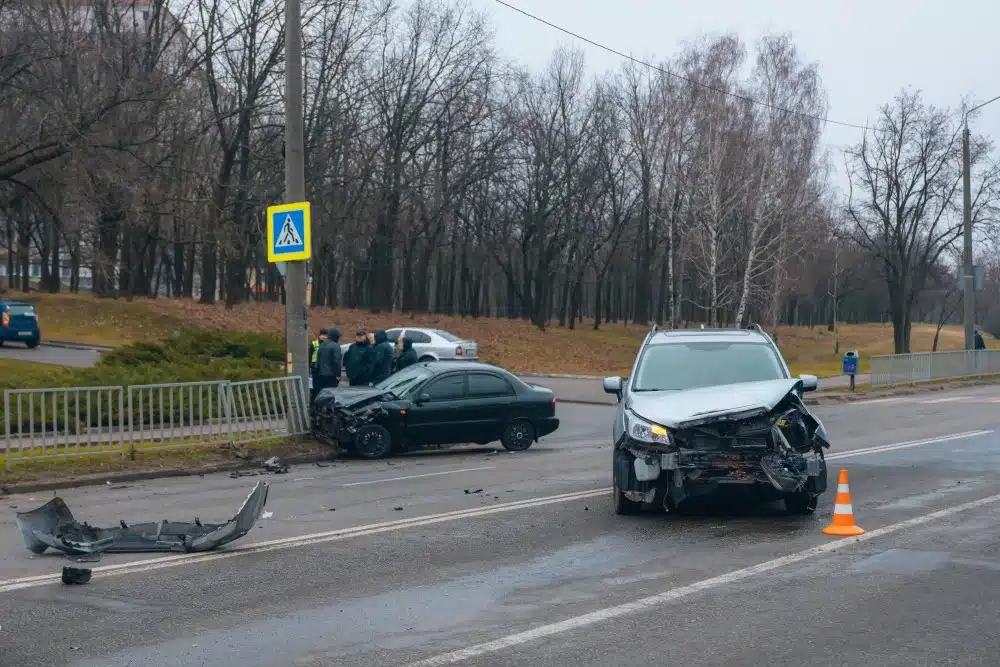
Photographs taken immediately after the accident can help show the positions of vehicles, road conditions, and the extent of damage.
Important images may include:
- Vehicle damage
- Skid marks on the roadway
- Traffic signals or signs
- Debris patterns
- Intersection layouts
Traffic cameras, dashcams, and nearby surveillance systems may also capture the crash.
Witness Statements
Eyewitness accounts can provide valuable insight into what occurred before the accident.
Witnesses may confirm:
- Which driver had the right-of-way
- Whether a driver ran a red light
- If a driver appeared distracted
- The speed of vehicles involved
An accident lawyer in Richmond, Virginia may contact witnesses quickly before memories fade.
Vehicle Damage Analysis
The location and severity of damage on vehicles can reveal how the crash occurred.
For example:
- Rear-end damage often indicates a following driver failed to stop
- Side-impact damage may suggest a failure to yield
- Front-end damage could indicate speeding or sudden braking
Accident reconstruction specialists may use this information to analyze collision dynamics.
Common Types of Evidence in Car Accident Cases
When building a claim, multiple sources of documentation may be used together to establish fault.
Key Evidence That May Strengthen a Claim
- Police accident reports
- Traffic camera recordings
- Dashcam footage
- Eyewitness statements
- Medical records
- Cell phone records
- Accident reconstruction reports
- Vehicle damage inspections
The more evidence available, the stronger a case may become.
How Insurance Companies Evaluate Fault
Insurance companies conduct their own investigations after a car accident. Adjusters review evidence and determine which driver they believe is responsible.
Factors insurers may consider include:
- Statements from both drivers
- Physical evidence from the crash scene
- Police findings
- Traffic laws
- Medical documentation
However, insurance companies often attempt to shift blame onto injured drivers to avoid paying claims.
Because of Virginia’s contributory negligence rule, even a small allegation of fault can jeopardize a claim.
A Richmond, VA auto accident attorney can challenge these conclusions and advocate for a fair evaluation.
Accidents Where Fault May Be Disputed
Certain types of crashes commonly involve disagreements about liability.
Rear-End Collisions
The rear driver is often considered responsible, but exceptions exist if the lead driver stopped suddenly or had malfunctioning brake lights.
Intersection Accidents
Drivers may dispute who had the right-of-way or whether a traffic signal was obeyed.
Multi-Vehicle Collisions
When several vehicles are involved, determining which driver initiated the chain reaction can be complicated.
Lane Change Accidents
Drivers may argue about blind spots, signaling, and right-of-way responsibilities.
These cases may require more extensive investigation.
How Accident Reconstruction Can Help
In complex cases, accident reconstruction specialists may analyze the crash using scientific methods. These experts evaluate evidence such as vehicle speed, braking patterns, and impact angles.
Accident reconstruction may involve:
- Measuring skid marks
- Examining vehicle damage
- Reviewing surveillance footage
- Recreating crash scenarios using software
Expert analysis can strengthen a claim and clarify how the accident occurred.
Steps to Take After a Richmond Car Accident
Taking the right actions after a crash can make a significant difference when proving fault.
Important Steps After an Accident
- Call 911 and report the crash
- Seek medical attention immediately
- Take photographs of the scene
- Exchange contact and insurance information
- Speak with witnesses if possible
- Avoid admitting fault
- Contact a car accident lawyer in Richmond
Prompt action can help preserve evidence and protect your rights.
How a Car Accident Lawyer in Richmond Can Help
Proving fault under Virginia’s strict contributory negligence rule can be challenging. Insurance companies often look for any reason to argue that an injured driver contributed to the accident.
A car accident lawyer in Richmond may assist by:
- Investigating the accident scene
- Gathering evidence and documentation
- Interviewing witnesses
- Working with accident reconstruction experts
- Negotiating with insurance companies
- Filing a lawsuit if necessary
Legal guidance can help ensure that the evidence clearly demonstrates who was responsible for the crash.
Why Early Legal Advice Matters
Many accident victims underestimate the importance of early legal guidance. Critical evidence may disappear quickly, and witness memories can fade over time.
Consulting an accident lawyer in Richmond, Virginia soon after the crash can help preserve evidence, strengthen your claim, and avoid costly mistakes.
A thorough legal investigation can make the difference between recovering compensation and having a claim denied.
FAQs
What does it mean to prove fault in a car accident?
Proving fault means demonstrating that another driver acted negligently and caused the accident. Evidence such as police reports, witness statements, and photographs may help establish liability.
Why is fault important in Virginia car accident cases?
Virginia uses a contributory negligence rule. If an injured person is even slightly responsible for the crash, they may be barred from recovering compensation.
What evidence is most helpful in proving fault?
Police reports, traffic camera footage, witness statements, accident reconstruction analysis, and medical records can all play an important role in proving fault.
Can insurance companies determine who is at fault?
Insurance companies conduct investigations and make their own determinations, but these decisions can be challenged with evidence and legal representation.
Should I contact a Richmond, VA auto accident attorney after a crash?
If you were injured in a crash, speaking with an attorney can help you understand your rights and ensure that evidence is properly collected to support your claim.