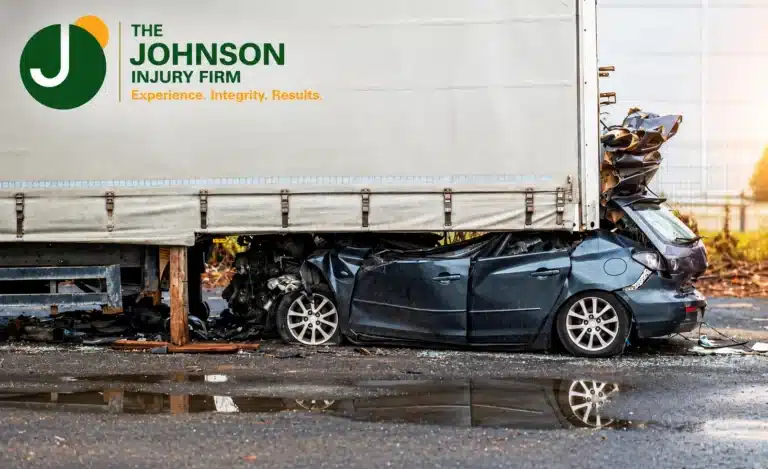

It is common for drivers to change their story after a crash. A person may admit fault at the scene, then later deny responsibility to the police or an insurance company. If this happens, you still have legal options. A car accident lawyer in Richmond can use evidence, witness statements, and Virginia traffic laws to prove what really happened.
In Richmond, Virginia, fault determines who pays for medical bills, lost wages, and property damage. Virginia follows a contributory negligence rule. This means even a slight fault can block recovery.
When the at-fault driver changes their story, the dispute becomes serious. Insurance companies may try to shift the blame onto you. Acting quickly protects your claim and your rights under Virginia law.
At The Johnson Injury Firm, we focus on evidence and accountability. We help clients address false statements and build strong, fact-based cases.
Why Drivers Change Their Story After A Crash
A driver may panic at the scene. They may apologize without thinking. Later, after speaking with family or an insurer, they may try to minimize their role.
Some drivers fear increased insurance premiums. Others worry about traffic citations. In certain cases, they realize their conduct violated Virginia traffic laws.
When stories change, credibility becomes central. Courts and insurers look at consistency. Early documentation can make the difference.
How Virginia Law Handles Disputed Fault
Virginia uses a pure contributory negligence standard.[1] If you are even one percent at fault, you may be barred from recovery. Insurance companies know this rule well.
Because of this standard, disputes over fault are common. A Richmond, VA auto accident attorney must gather proof that clearly shows the other driver caused the crash.
Virginia Code Title 46.2 governs traffic offenses such as reckless driving, failure to yield, and improper lane changes. Violations of these laws can support a negligence claim.
Cases in Richmond are often filed in the Richmond Circuit Court. Some matters may proceed in the General District Court depending on damages.
What Evidence Proves The Truth
When the other driver changes their story, evidence becomes the foundation of your claim. Statements alone are rarely enough.
Key forms of evidence include:
- Police crash reports
- Photographs of vehicle damage
- Surveillance or traffic camera footage
- Witness statements
- Vehicle event data recorder information
Police reports from the Richmond Police Department or the Virginia State Police often note initial statements. While not final proof, these reports can show inconsistencies.
Video footage from intersections along Broad Street or I-95 may also clarify what occurred. Quick action is essential because footage can be deleted.
The Role Of Insurance Companies
Insurance adjusters investigate claims to limit payouts. If the other driver changes their version of events, the insurer may argue that fault is unclear.
Adjusters may request recorded statements. They may ask leading questions. Their goal is to create doubt.
You are not required to provide a recorded statement to the other driver’s insurer. Speaking with an accident lawyer in Richmond, Virginia before doing so protects your position.
Steps To Take If The Story Changes
If you learn that the other driver is denying fault, act immediately.
First, request a copy of the police report. Confirm it reflects your statement accurately.
Second, gather contact information for witnesses. Independent witnesses carry weight.
Third, preserve all photos and medical records. Documentation shows impact and injury severity.
Fourth, avoid social media posts about the crash. Insurers monitor online activity.
Finally, consult a car wreck lawyer in Richmond to evaluate your options.
Common Mistakes That Harm Your Case
Waiting too long to act is a serious mistake. Evidence can disappear. Witness memories fade.
Another mistake is assuming the truth will automatically prevail. In contributory negligence states like Virginia, small details matter.
Some victims accept quick settlement offers. Early offers are often lower than the claim value.
Admitting partial fault without legal guidance can also damage your claim. Statements made in frustration can be used against you.
How Courts Evaluate Conflicting Stories
Judges and juries look at consistency and supporting evidence. They evaluate physical damage, skid marks, and vehicle positioning.
Medical records can also support credibility. Prompt treatment often aligns with a serious impact.
Courts consider whether a traffic citation was issued. A citation for reckless driving or failure to yield may strengthen your case.
Under Virginia law, the statute of limitations for personal injury claims is generally two years. Missing this deadline can eliminate your right to file suit.
When To Contact A Lawyer
You should contact a lawyer as soon as the fault becomes disputed. Early investigation improves your position.
A car accident lawyer in Richmond can secure traffic camera footage and request phone records if distracted driving is suspected. A Richmond, VA, auto accident attorney can analyze crash-reconstruction evidence.
At The Johnson Injury Firm, we prepare every case as if it will go to trial. We focus on clear facts and strong documentation.
Speak With A Richmond Auto Accident Attorney
If the at-fault driver has changed their story, do not face the insurance company alone. An accident lawyer in Richmond, Virginia, from The Johnson Injury Firm can protect your rights and investigate the facts. We encourage you to speak with a car wreck lawyer in Richmond who understands Virginia contributory negligence law and local court procedures. Early legal guidance can preserve evidence and strengthen your claim.
Frequently Asked Questions
Can A Driver Change Their Statement After A Car Accident?
Yes. A driver can change their statement at any time. However, inconsistencies may affect credibility. Police reports and witness testimony can reveal contradictions. Courts consider the total evidence.
Does An Apology At The Scene Prove Fault?
Not always. An apology is not automatic proof of negligence. Virginia courts focus on evidence and traffic law violations. Supporting documentation remains critical.
What If The Police Report Is Wrong?
You can request an amendment if factual errors exist. Provide supporting evidence when making the request. Even if unchanged, other evidence can outweigh a report. A lawyer can help challenge inaccuracies.
How Does Contributory Negligence Affect My Case?
Virginia follows strict contributory negligence rules. If you are found even slightly at fault, recovery may be barred. This makes clear evidence essential. Legal guidance is important in disputed cases.
Should I Give A Recorded Statement To The Other Insurance Company?
You are not required to provide one. Recorded statements can create inconsistencies. It is wise to consult a lawyer first. Careful communication protects your claim.
Key Takeaways
- Drivers often change stories after speaking with insurers.
- Virginia uses strict contributory negligence rules.
- Early evidence collection is critical.
- Police reports and video footage matter.
- Avoid recorded statements without legal advice.
- Two-year filing deadlines generally apply.
- Legal guidance strengthens disputed fault claims.