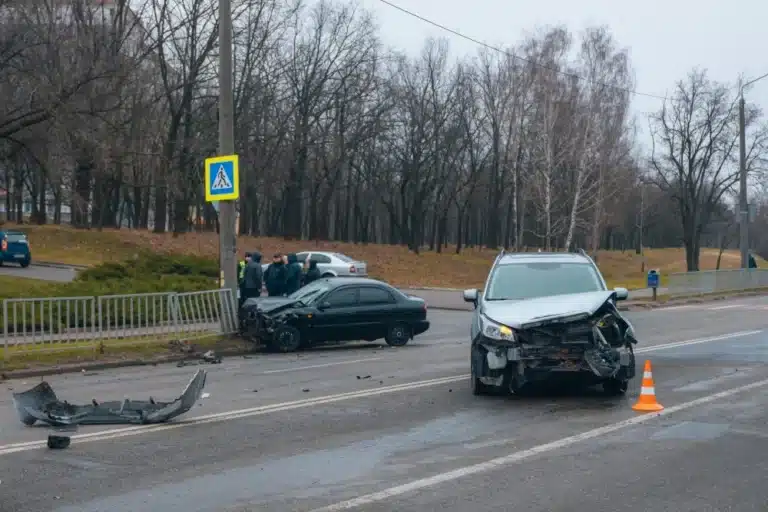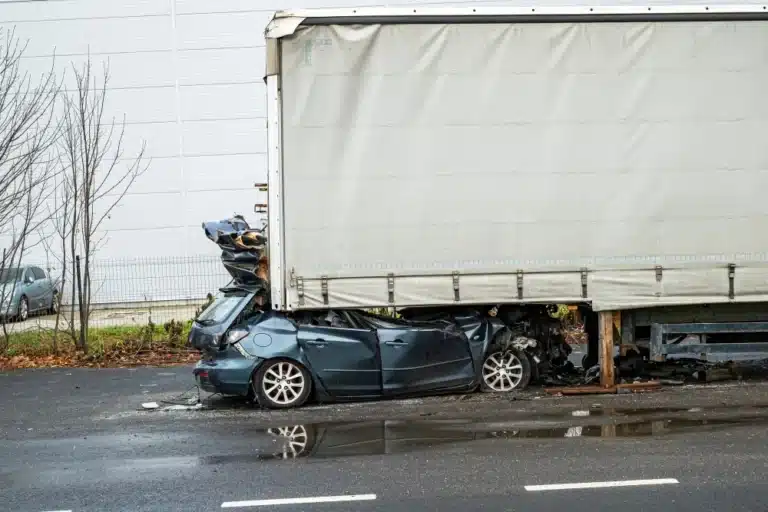

Pedestrian accidents in downtown Richmond, VA, are a serious and ongoing safety concern due to dense traffic patterns, mixed-use streets, and constant foot traffic from residents, workers, students, and visitors.
When a pedestrian is struck by a vehicle, injuries are often severe, recovery can be lengthy, and the legal process may feel overwhelming. Understanding how these accidents happen and what steps matter afterward is essential. Many injured pedestrians turn to Richmond accident attorneys for guidance on what comes next.
Downtown Richmond includes high-activity areas such as Broad Street, Main Street, Cary Street, Shockoe Bottom, the Capitol District, and streets surrounding VCU. These corridors force cars, buses, delivery vehicles, rideshare traffic, cyclists, scooters, and pedestrians to share limited space. The Johnson Injury Firm regularly assists individuals injured in these areas, helping them understand how local traffic conditions and roadway design affect pedestrian accident claims.
Virginia law places a strong emphasis on fault, and pedestrians are not automatically protected simply because they were walking. Evidence, timing, medical documentation, and a clear understanding of traffic laws all play a major role in determining responsibility and potential recovery.
Why pedestrian accidents are common in downtown Richmond
Downtown Richmond presents a unique set of risks compared to residential neighborhoods. High traffic volume, frequent stops, and constant distractions increase the likelihood of collisions involving pedestrians.
Common contributing factors include:
- Heavy commuter traffic during morning and evening rush hours
- Rideshare vehicles stopping unexpectedly to pick up or drop off passengers
- Delivery trucks blocking sightlines or backing into traffic
- Tourists unfamiliar with local streets and signal patterns
- Construction zones that reroute pedestrians closer to active traffic
- Poor lighting during early morning or evening hours
Downtown intersections often require pedestrians to cross multiple lanes while drivers focus on turning, merging, or navigating congestion, increasing the risk of misjudgment.
Types of pedestrian accidents seen in downtown areas
Pedestrian accidents occur in several ways, and the type of collision often shapes liability evaluation.
Common downtown pedestrian accident scenarios include crosswalk collisions where drivers fail to yield, right-turn or left-turn crashes at intersections, mid-block crossings near parking garages or bus stops, backing accidents involving delivery or service vehicles, and collisions in parking lots or garage entrances. Each scenario raises different questions about driver awareness, pedestrian visibility, and right-of-way compliance.
Virginia pedestrian laws and right-of-way rules
Virginia traffic laws determine when pedestrians have the right-of-way and when drivers must yield. These rules are central to determining fault after a pedestrian accident.
Key principles include:
- Drivers must yield to pedestrians in marked crosswalks
- Pedestrians must obey walk signals and traffic control devices
- Drivers must exercise reasonable care to avoid hitting pedestrians
- Pedestrians may not suddenly enter traffic in a way that prevents drivers from stopping
In downtown Richmond, disputes often focus on signal timing, turning movements, and whether a pedestrian entered the roadway lawfully.
Immediate steps after a pedestrian accident
What happens immediately after a pedestrian accident can affect both health outcomes and the ability to pursue compensation.
Important early steps include calling 911 to request police and medical assistance, accepting medical evaluation at the scene or shortly afterward, providing accurate information to responding officers, and documenting the scene when possible. Photographs of the vehicles, roadway layout, and visible injuries can be helpful, as can collecting witness names and contact information.
Police reports prepared by the Richmond Police Department often play a key role in insurance evaluations and should be reviewed carefully once available.

Medical treatment and injury documentation
Because pedestrians have little physical protection, injuries are often serious. Medical records are critical for connecting those injuries directly to the crash.
Pedestrian accident injuries commonly include traumatic brain injuries, spinal and neck injuries, broken bones in the legs, arms, hips, or ribs, internal organ damage, and severe soft tissue injuries. Downtown Richmond pedestrians may receive care from emergency departments, trauma centers, orthopedic specialists, and physical therapists. Consistent treatment and follow-up help document the full scope of physical and functional impact.
The role of evidence in pedestrian accident claims
Evidence forms the foundation of pedestrian accident claims, particularly under Virginia’s strict fault rules.
Key evidence may include police reports and crash diagrams, traffic camera footage, surveillance video from nearby businesses, witness statements, and medical records showing the progression of treatment. In downtown areas, video footage is often overwritten quickly, making early requests especially important.
How insurance companies evaluate pedestrian accident claims
Insurance companies scrutinize pedestrian accident claims closely and often look for ways to shift blame onto the pedestrian.
Common insurance tactics include alleging the pedestrian crossed outside a crosswalk, claiming distraction by a phone or device, questioning whether the crash caused the injuries, delaying investigations to pressure early settlements, and requesting recorded statements shortly after the accident. Clear evidence and careful communication are essential when dealing with insurers.
Contributory negligence and why it matters
Virginia follows a contributory negligence rule, meaning that if a pedestrian is found even slightly at fault, recovery may be barred entirely.
This makes accurate documentation of the scene, credible witness testimony, consistent medical records, and careful communication especially important. Downtown pedestrian accidents often involve complex movement patterns that require close analysis to avoid unfair fault assignments.
Downtown Richmond roadways with higher pedestrian risk
Certain downtown locations experience higher pedestrian accident rates due to traffic flow, congestion, and design.
High-risk areas often include Broad Street corridors with multiple lanes, Cary Street near nightlife and entertainment venues, Shockoe Bottom intersections with limited visibility, areas near public transit stops, and parking garage entrances with frequent vehicle movement. Evidence showing how roadway design or congestion contributed to a crash may be relevant in liability discussions.
Timeline of a pedestrian accident claim
Understanding the general timeline helps injured pedestrians set realistic expectations.
Most claims begin with immediate medical care and a police response, followed by an insurance investigation during the first several weeks. Medical treatment may continue for months, with claim evaluation typically occurring once injuries stabilize. Settlement discussions or court proceedings may follow, especially in cases involving serious or long-term injuries.
How Richmond courts handle pedestrian accident cases
Pedestrian accident cases may be filed in Richmond General District Court or Richmond Circuit Court, depending on the amount of damages involved.
Courts typically examine compliance with traffic laws, the credibility of witness testimony, consistency across evidence sources, and medical documentation linking injuries to the crash. Well-prepared cases with organized evidence generally move more efficiently through the legal process.
Practical guidance for pedestrians during recovery
Injured pedestrians can take steps to protect their position while focusing on recovery.
Helpful actions include following medical advice, keeping records of medical bills and missed work, documenting pain levels and limitations, avoiding social media discussions about the accident, and preserving clothing and footwear worn during the crash. Small details can carry significant weight under Virginia law.
Why downtown pedestrian accidents require careful evaluation
Downtown pedestrian accidents often involve multiple contributing factors rather than a single mistake.
Careful evaluation considers intersection design, signal timing, driver visibility, pedestrian movement patterns, lighting, weather conditions, and traffic congestion. Understanding these elements helps explain how a crash occurred and who may be responsible.
How The Johnson Injury Firm approaches pedestrian accident cases
The Johnson Injury Firm helps injured pedestrians understand their options after downtown Richmond accidents. Familiarity with local roads, courts, and insurance practices allows for informed guidance throughout the process.
This approach emphasizes early evidence review, coordination with medical providers, clear communication, and close attention to local traffic conditions. A thorough understanding of the facts supports fair evaluation and informed decision-making.
Moving forward after a pedestrian accident in downtown Richmond
Being struck by a vehicle while walking in downtown Richmond can disrupt every aspect of daily life, from mobility to income and independence. Knowing how fault is evaluated, what evidence matters, and how claims typically progress can provide clarity during a difficult period.
If you or a loved one was injured in a Richmond pedestrian accident, consulting a Richmond personal injury attorney can help you understand your next steps, protect your rights, and move forward with greater confidence.